
COMPANY NEWS
Respecting Cultural Funeral Traditions in Singapore: A Guide for Families
Saying goodbye to someone you love is never easy. In Singapore’s multicultural society, funerals are also an opportunity to honour cultural heritage, religious beliefs, and family traditions that have been passed down through generations.
Every family has different customs. Some may follow Buddhist or Taoist rituals, while others choose Christian, Catholic, Hindu, Muslim, or non-religious funeral services. Although the ceremonies may differ, they all share the same purpose: showing love, respect, and gratitude to the person who has passed away.
Understanding these traditions can help families make informed decisions during funeral planning. It also helps friends and guests participate respectfully while offering meaningful support to those who are grieving.
In this guide, we’ll explore why cultural funeral traditions remain important in Singapore, how different customs influence funeral arrangements, and how families can create a respectful farewell while staying true to their loved one’s wishes.
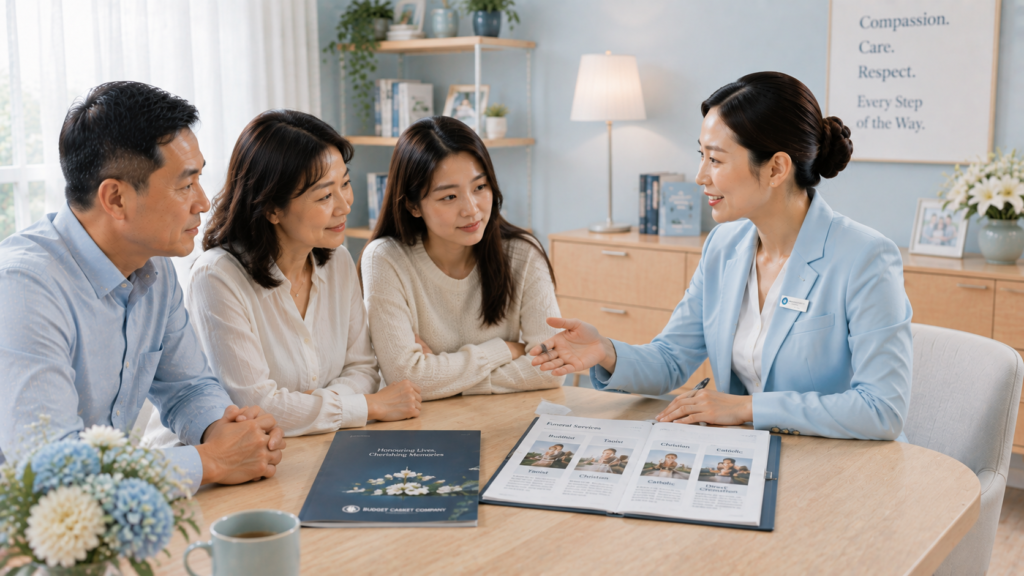
Why Cultural Funeral Traditions Matter
Funeral traditions provide structure and comfort during one of life’s most emotional moments. They often reflect religious beliefs, family values, and the way each community honours those who have passed away.
Respecting these customs helps:
- honour the wishes of the deceased
- provide comfort to family members
- strengthen cultural identity
- create meaningful opportunities for remembrance
- bring family and friends together
While every funeral is unique, cultural traditions often help families feel connected to generations before them.
Singapore’s Rich Cultural Funeral Traditions
Singapore is home to many cultures and religions, which means funeral practices vary between families.
Some common funeral traditions include:
Buddhist Funerals
Buddhist funeral services often include chanting by monks, prayers, offerings, and quiet reflection. These rituals focus on generating merit and wishing the deceased peace during their next journey.
Taoist Funerals
Taoist funerals may involve ceremonial prayers, incense offerings, paper offerings, and traditional rituals that honour ancestors and guide the departed.
Christian and Catholic Funerals
Christian and Catholic funerals typically focus on prayer, scripture readings, hymns, and celebrating the hope of eternal life while offering comfort to family members.
Direct Cremation
Some families choose a simpler farewell through direct cremation. This option focuses on practicality while still allowing loved ones to hold private memorial services afterwards.
Respecting Family Wishes During Funeral Planning
Even within the same religion, every family may have different preferences.
Some families prefer traditional ceremonies that follow long-standing customs. Others may combine modern elements with cultural traditions to create a more personal farewell.
Listening carefully to family members and discussing everyone’s expectations early helps reduce misunderstandings during funeral planning.
Professional funeral directors can also guide families through the available options while ensuring important traditions are respected.

Funeral Etiquette When Attending Different Cultural Services
If you’re attending a funeral from a different cultural background, simple gestures of respect can make a meaningful difference.
Some general guidelines include:
- Dress modestly.
- Follow instructions from the family.
- Keep mobile phones silent.
- Observe religious customs respectfully.
- Avoid taking photographs unless invited.
- Offer condolences sincerely.
- Participate only if you’re comfortable and invited to do so.
Showing kindness and understanding is often more important than knowing every tradition perfectly.
Working with Experienced Funeral Directors
Planning a culturally appropriate funeral can feel overwhelming, especially when families are unfamiliar with specific customs or religious requirements.
Experienced funeral directors help coordinate every detail, including:
- ceremony planning
- venue preparation
- religious arrangements
- floral decorations
- documentation
- coordination with monks, priests, or religious leaders
- family support throughout the process
Their guidance allows families to focus on remembering their loved one rather than managing complex logistics.
Balancing Tradition with Personal Wishes
While cultural traditions provide meaningful guidance, every farewell should also reflect the personality and wishes of the person being remembered.
Many families today choose to blend traditional customs with personal touches, such as:
- displaying meaningful photographs
- sharing favourite songs or readings
- creating personalised floral arrangements
- preparing memory tables
- inviting family members to share personal tributes
These thoughtful additions celebrate an individual’s life while still respecting important cultural and religious traditions.
If you’re looking for inspiration, our guide on Personalized Funeral Decorations explores meaningful ways to create a farewell that reflects your loved one’s life.
Supporting Multicultural Families in Singapore
Singapore is home to families with diverse cultural backgrounds and beliefs. It is becoming increasingly common for funeral arrangements to incorporate traditions from more than one culture or religion.
In these situations, open communication is especially important. Families should discuss:
- religious customs to be observed
- preferred ceremony format
- cultural expectations
- memorial preferences
- burial or cremation arrangements
An experienced funeral director can help coordinate these requests respectfully while ensuring every family member feels included.
The goal is not to choose one tradition over another, but to create a farewell that honours the deceased while respecting everyone involved.
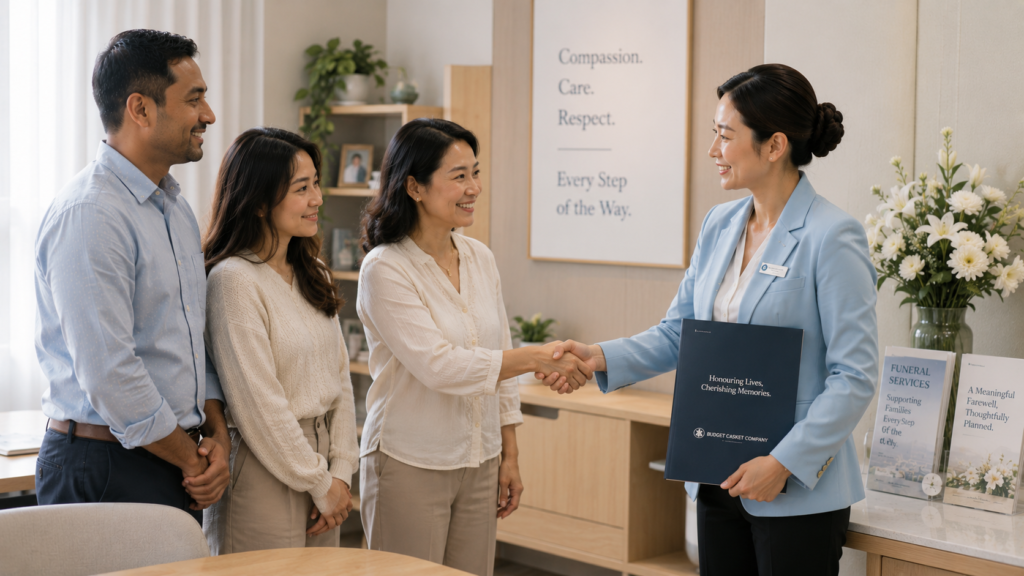
How Budget Casket Company Supports Families from Different Cultural Backgrounds
At Budget Casket Company, we understand that every family has unique beliefs, traditions, and preferences.
Our experienced funeral directors work closely with families to provide compassionate guidance throughout every stage of funeral planning. Whether you require a Buddhist, Taoist, Christian, Catholic, or direct cremation service, we help ensure that every arrangement is carried out with dignity and respect.
Our services include:
- personalised funeral consultations
- culturally appropriate funeral arrangements
- coordination with religious leaders
- floral and memorial planning
- assistance with documentation
- compassionate support from beginning to end
By combining professional expertise with genuine care, we help families focus on honouring their loved one while we manage the practical details.
Frequently Asked Questions
Why are cultural traditions important during a funeral?
Cultural traditions provide comfort, preserve family heritage, and honour the beliefs of the deceased. They also help create a meaningful farewell that reflects personal and religious values.
Can modern funeral services include traditional customs?
Yes. Many families combine traditional ceremonies with modern elements such as personalised decorations, memorial displays, or digital tributes while maintaining important cultural practices.
What if family members follow different religions?
Open discussion and professional guidance can help families respectfully combine appropriate customs. Experienced funeral directors can recommend arrangements that honour everyone’s wishes wherever possible.
How do I know which funeral customs should be followed?
The best approach is to discuss the deceased’s wishes with close family members and seek advice from an experienced funeral director familiar with your religious or cultural traditions.
Can Budget Casket Company help with different cultural funeral services?
Yes. We support families from diverse cultural and religious backgrounds across Singapore and provide personalised guidance for every funeral arrangement.
Final Thoughts
Respecting cultural funeral traditions is one of the most meaningful ways to honour a loved one’s life. These customs provide comfort, strengthen family bonds, and preserve traditions that have been passed down through generations.
At the same time, every farewell should also reflect the individual being remembered. By combining cultural traditions with personal touches, families can create a respectful and heartfelt tribute that celebrates a life well lived.
If you’re preparing funeral arrangements or would like professional guidance, our compassionate team is here to help you every step of the way. We are committed to providing respectful, personalised funeral services that honour your family’s beliefs, traditions, and wishes.