
COMPANY NEWS
Cultural Funeral Practices in Singapore: Understanding Different Religious Traditions
Singapore is home to people from many cultural and religious backgrounds, making every funeral unique. From Buddhist and Taoist ceremonies to Christian, Catholic and direct cremation services, each farewell reflects the beliefs, traditions, and wishes of the deceased and their family.
Understanding cultural funeral practices is more than learning about customs. It is about showing respect, offering meaningful support, and helping families honour the life of their loved one in a way that aligns with their values. Whether you are arranging a funeral for a family member or attending a service for the first time, knowing what to expect can make an emotional time feel a little less overwhelming.
At Budget Casket Company, we have supported families from different religious and cultural backgrounds across Singapore for many years. This guide explains the most common funeral traditions, etiquette, and considerations to help families make informed and respectful decisions during one of life’s most difficult moments.
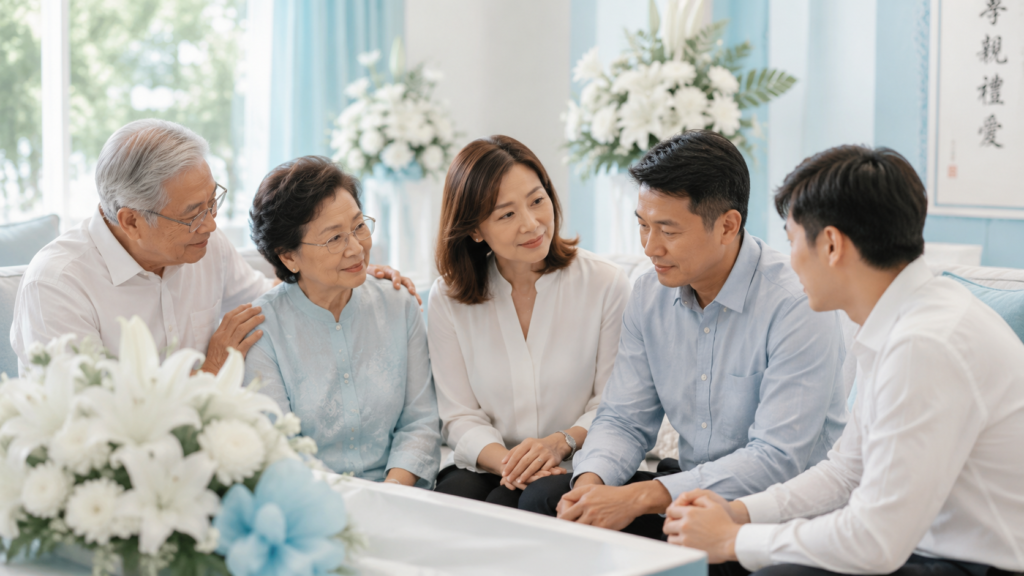
Why Cultural Funeral Practices Matter
Every family has its own beliefs about how a loved one should be remembered. Funeral traditions often reflect religious teachings, family values, and generations of cultural heritage. Respecting these customs helps families find comfort while creating a meaningful farewell.
In multicultural Singapore, it is common for extended families and friends from different faiths to attend the same funeral. Understanding cultural practices allows everyone to pay their respects appropriately while avoiding accidental misunderstandings.
Beyond the funeral ceremony itself, these traditions also help families through the grieving process. Rituals such as prayers, chanting, memorial services, or moments of reflection provide opportunities for loved ones to come together, celebrate a life well lived, and support one another.
Every funeral is personal. While customs may differ, the purpose remains the same: honouring the deceased with dignity, compassion, and respect. For many families, these traditions also become an important part of the healing journey, offering comfort, connection, and a sense of closure during a difficult time.
Grief affects everyone differently, and there is no right or wrong way to cope with the loss of a loved one. If you or someone in your family is struggling emotionally after a funeral, you may find our guide on How to Cope with Grief After Losing a Loved One helpful. It offers practical advice, emotional support, and gentle guidance for navigating the healing process after loss.
Funeral Traditions Across Different Religions in Singapore
Singapore’s multicultural society means funeral services are organised according to many different religious beliefs. Each tradition has its own customs, ceremonies, and symbolic practices that guide families through saying goodbye to a loved one.
Choosing a funeral service that respects these beliefs allows families to honour both their loved one and their cultural heritage.
Buddhist Funeral Traditions
Buddhist funerals focus on helping the deceased transition peacefully into the next stage of existence. Families often invite monks to conduct chanting ceremonies, offer prayers, and guide relatives through traditional rituals. White flowers, incense, and offerings are commonly used to express respect and gratitude.
Depending on the family’s traditions, the wake may last several days, allowing relatives and friends time to pay their respects. Guests are encouraged to dress modestly, maintain a quiet atmosphere, and follow the guidance of the family during religious ceremonies.
If your family wishes to arrange a Buddhist farewell, our Buddhist funeral services provide guidance on every aspect of the ceremony while respecting traditional customs.
Taoist Funeral Traditions
Taoist funerals are often rich in symbolism and ceremonial rituals that honour ancestors and guide the deceased on their spiritual journey. Depending on dialect group and family traditions, ceremonies may include prayers, chanting, incense offerings, paper offerings, and traditional rites conducted by Taoist priests.
Family members usually wear mourning attire while guests pay their respects through quiet reflection and offering condolences. Every Taoist funeral is unique, as customs may differ between Hokkien, Teochew, Cantonese, Hakka, or Hainanese families.
Families looking for respectful funeral arrangements can explore our Taoist funeral services, where experienced funeral directors help organise ceremonies according to traditional practices.
Christian Funeral Traditions
Christian funerals are centred on faith, hope, and celebrating the life of the deceased. Services usually include scripture readings, prayers, hymns, and a message from a pastor reflecting on God’s promises and eternal life.
Many Christian families choose a church service followed by burial or cremation. Friends and relatives are invited to offer support through prayer, flowers, and personal messages of remembrance.
Our Christian funeral services help families arrange respectful ceremonies that reflect both their faith and personal wishes.
Catholic Funeral Traditions
Catholic funerals follow traditions that have been observed for generations. The funeral typically includes a Funeral Mass, scripture readings, prayers, blessings, and Holy Communion. These ceremonies emphasise remembrance, hope, and prayers for the soul of the deceased.
Families may also hold a wake before the Funeral Mass, allowing relatives and friends to gather, pray together, and offer condolences.
Budget Casket Company provides compassionate support for families arranging Catholic funeral services, ensuring every ceremony is conducted respectfully according to Catholic traditions.
Direct Cremation Services
Not every family wishes to hold a traditional funeral wake. Some prefer a simpler farewell that focuses on privacy, practicality, or personal preferences. Direct cremation provides a respectful alternative without an extended wake or formal funeral ceremony.
Although simpler, direct cremation still allows families to honour their loved one through private memorial gatherings or personal tributes after the cremation has taken place.
If you are considering a simple and dignified farewell, learn more about our direct cremation services and how we can help guide your family through the process.

How Funeral Planning Can Respect Cultural Traditions
Planning a funeral involves more than choosing a service package. Families often consider religious customs, preferred rituals, venue arrangements, cremation or burial preferences, and the wishes of the deceased before making decisions.
Working with an experienced funeral director helps ensure these traditions are respected while reducing unnecessary stress during an emotional period. Professional guidance also helps families coordinate ceremonial requirements, documentation, scheduling, and logistical arrangements so they can focus on supporting one another instead of managing every detail themselves.
Whether the arrangements involve Buddhist chanting, Taoist rituals, Christian prayers, Catholic Funeral Masses, or direct cremation, careful planning ensures every farewell reflects the family’s beliefs with dignity and compassion.
Funeral Etiquette When Attending Different Cultural Funerals
Attending a funeral is a way of showing respect and offering support to a grieving family. While funeral customs differ between religions and cultures, there are several etiquette guidelines that are appropriate for most funeral services in Singapore.
Dress Respectfully
Choose modest clothing in neutral or dark colours unless the family has requested otherwise. White is traditionally worn at many Chinese funerals, while black or dark attire is common for Christian and Catholic services.
Follow Religious Customs
Each religion has its own funeral traditions. Observe the ceremony respectfully and follow any guidance provided by the funeral director or family members. If you are unsure about a particular custom, it is perfectly acceptable to ask politely beforehand.
Offer Your Condolences
Simple and sincere words are often the most meaningful. A quiet expression of sympathy or a heartfelt message to the family can provide comfort during a difficult time.
Respect Photography and Mobile Phone Etiquette
Many funeral ceremonies are private occasions. Avoid taking photographs or recording videos unless the family has given permission. Keep your mobile phone on silent throughout the service.
Be Mindful of Cultural Differences
Singapore is a multicultural society where funeral traditions vary significantly. Being open-minded and respectful of customs that may be unfamiliar helps create a supportive environment for grieving families.
Choosing the Right Funeral Service for Your Family
Every family’s needs are different, and there is no single funeral arrangement that suits everyone. Choosing the appropriate funeral service depends on religious beliefs, cultural traditions, family preferences, and the wishes of the deceased.
Some families prefer a traditional multi-day wake with religious ceremonies, while others choose a simpler arrangement such as direct cremation. Speaking with an experienced funeral director can help you understand the available options and ensure every detail is planned respectfully.
At Budget Casket Company, we provide personalised guidance to help families choose funeral arrangements that honour both their loved one and their traditions.

How Budget Casket Company Supports Families
Losing someone you love is never easy. During this emotional time, families often need more than funeral arrangements, they need compassionate guidance from professionals who understand both practical requirements and cultural traditions.
Budget Casket Company has supported families across Singapore by providing respectful funeral services tailored to different religions and beliefs. From the first phone call through the final farewell, our experienced funeral directors are here to guide families every step of the way.
We assist with funeral planning, venue arrangements, religious coordination, documentation, transportation, and personalised funeral packages while ensuring every service reflects the family’s wishes with dignity and respect.
Whether you require immediate assistance or wish to plan ahead, our team is available 24 hours a day to provide caring, professional support whenever you need it.
Frequently Asked Questions About Cultural Funeral Practices
What should I wear when attending a funeral in Singapore?
Modest clothing in black, white, or other subdued colours is generally appropriate. However, some religions and families may have specific customs, so it is always best to follow any guidance provided by the family.
Can people of different religions attend the same funeral?
Yes. Singapore is a multicultural society, and it is common for friends and relatives from different religious backgrounds to attend funerals. Showing respect, following the family’s customs, and observing funeral etiquette are usually all that is expected.
How long does a funeral wake usually last?
The duration varies depending on the family’s religion, traditions, and personal preferences. Some funeral wakes last one day, while others may continue for several days before the funeral service or cremation.
What is the difference between a funeral service and direct cremation?
A traditional funeral service usually includes a wake, religious ceremonies, and opportunities for family and friends to pay their respects. Direct cremation is a simpler option where cremation takes place without a formal wake, allowing families to hold a private memorial if they wish.
How do I choose the right funeral package?
Consider your family’s religious beliefs, budget, preferred arrangements, and the wishes of your loved one. An experienced funeral director can explain the available options and recommend a suitable funeral package based on your needs.
Can Budget Casket Company arrange funerals for different religions?
Yes. Our experienced funeral directors assist families from various religious and cultural backgrounds, including Buddhist, Taoist, Christian, Catholic, and non-religious funeral services throughout Singapore.
Conclusion
Cultural funeral practices are an important part of honouring a loved one’s life and respecting family traditions. Although funeral customs differ between religions and cultures, every ceremony shares the same purpose—to remember the deceased with dignity, provide comfort to those left behind, and celebrate a life that was deeply valued.
Understanding these traditions helps families make informed decisions while allowing friends and relatives to participate respectfully, regardless of their own cultural background. With thoughtful planning and compassionate guidance, every farewell can reflect the beliefs, values, and wishes of the family.
At Budget Casket Company, we are committed to supporting families throughout every stage of the funeral planning process. Whether you require Buddhist, Taoist, Christian, Catholic, or direct cremation services, our experienced funeral directors are here to provide professional advice and personalised assistance with care and compassion.
If you need immediate support or would like to discuss funeral arrangements in advance, contact our team today. We are available 24 hours a day to help your family honour your loved one with dignity and respect.